The symposium Biodiversity and DNA Barcoding was held at the Scandic Nidelven hotel 11-12 November 2015. Nearly 100 participants from Norway, Sweden, Canada, Finland, Germany, Czech Republic and UK had found their way to Trondheim, making this meeting larger than originally expected. The conference turned out to be a good meeting place for nature managers, barcoders, participants in the Norwegian Taxonomy Initiative and others interested in biodiversity and DNA barcoding.
As the program can confirm, there was a great diversity in the talks, both on topics and organism groups. We were guided through taxonomic challenges in fungi, marine invertebrates and insects, many of which has been detected with the aid of DNA barcodes. We were invited on journeys into the deep oceans and into the “moss forest”, and introduced to the opportunities molecular methods give when studying food webs, pollination and microscopic organisms. We also learned about the The Planetary Biodiversity Mission, news from BOLD4 and about LifeScanner, a citizen-science initiative where identification of species through DNA barcoding is made available to everyone.
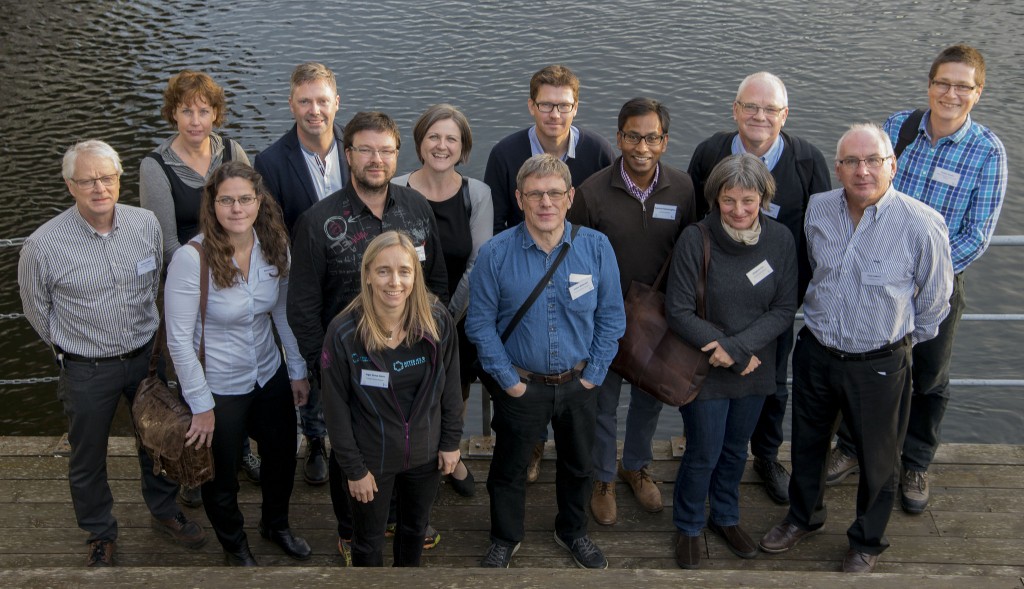 Speakers at the symposium. From left: Anders Hobæk, Christiane Todt, Marie Davey, Hans Tore Rapp, Frode Ødegaard, Inger Greve Alsos, Natasha de Vere, Endre Willassen, Kristian Hassel, Sujeevan Ratnasingham, Elisabeth Stur, Christer Erséus, Paul Hebert, Tomas Roslin. Tor Erik Brandrud and Gunn Paulsen were unavailable when the photo was taken. Photo Åge Hojem, NTNU University Museum, CC-BY.
Both organizers and participants seemed very pleased with the conference. Most things went as planned, the food was good, and even if we had music from the neighbouring room accompanying the last presentations on day two, the participants seemed pleased when leaving the venue. Thank you all for coming! More photos are available on Flickr.
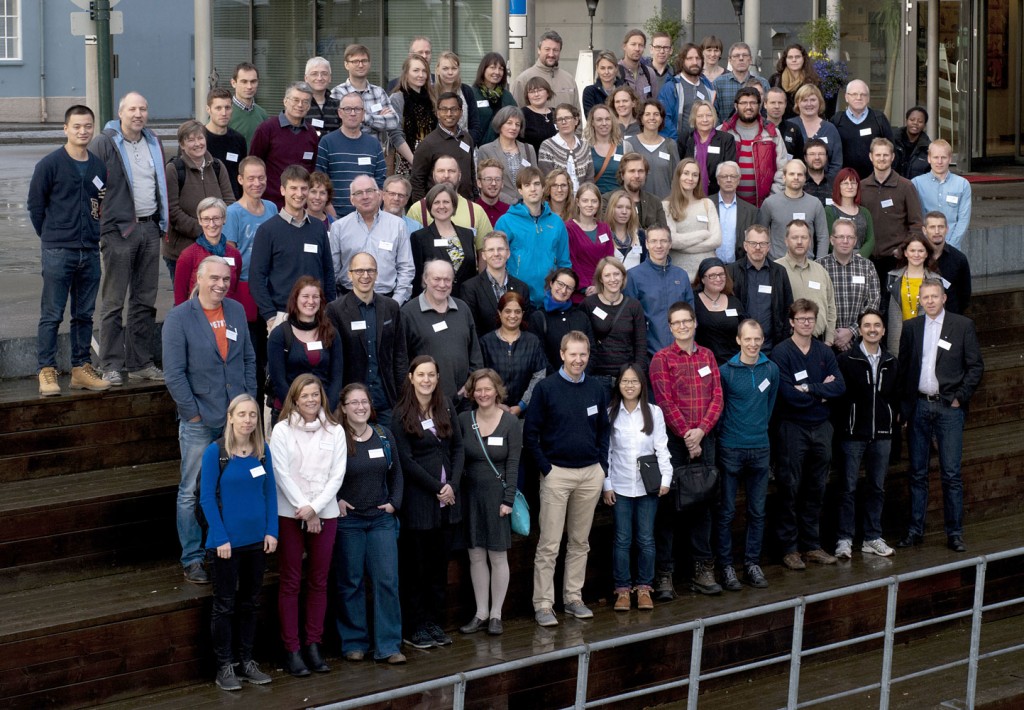 Participants at the symposium Biodiversity and DNA barcoding 2015. Photo Åge Hojem, NTNU Vitenskapsmuseet, CC-BY.
Torbjørn Ekrem, NTNU University Museum
Antarctica is a land of superlatives with biota exposed to the steepest chemical gradients, driest soils, and extreme temperature fluctuations. These conditions, coupled with a history of 80 million years’ worth of glacial cycles have shaped an ecosystem characterised by low biodiversity. Robert F. Scott may be forgiven for stating “we have seen no living thing, not even a moss or a lichen” whilst in the Dry Valleys during 1903.
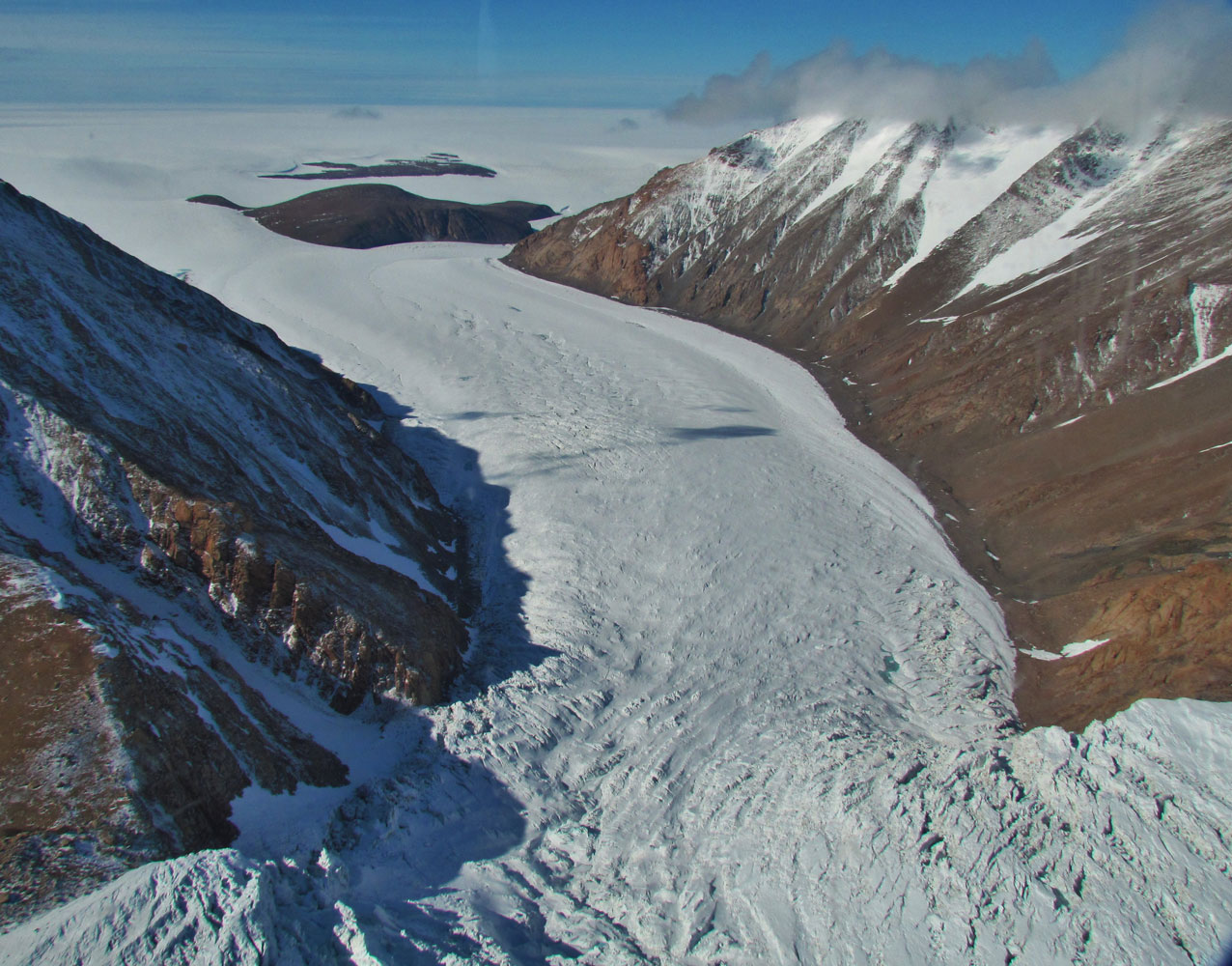
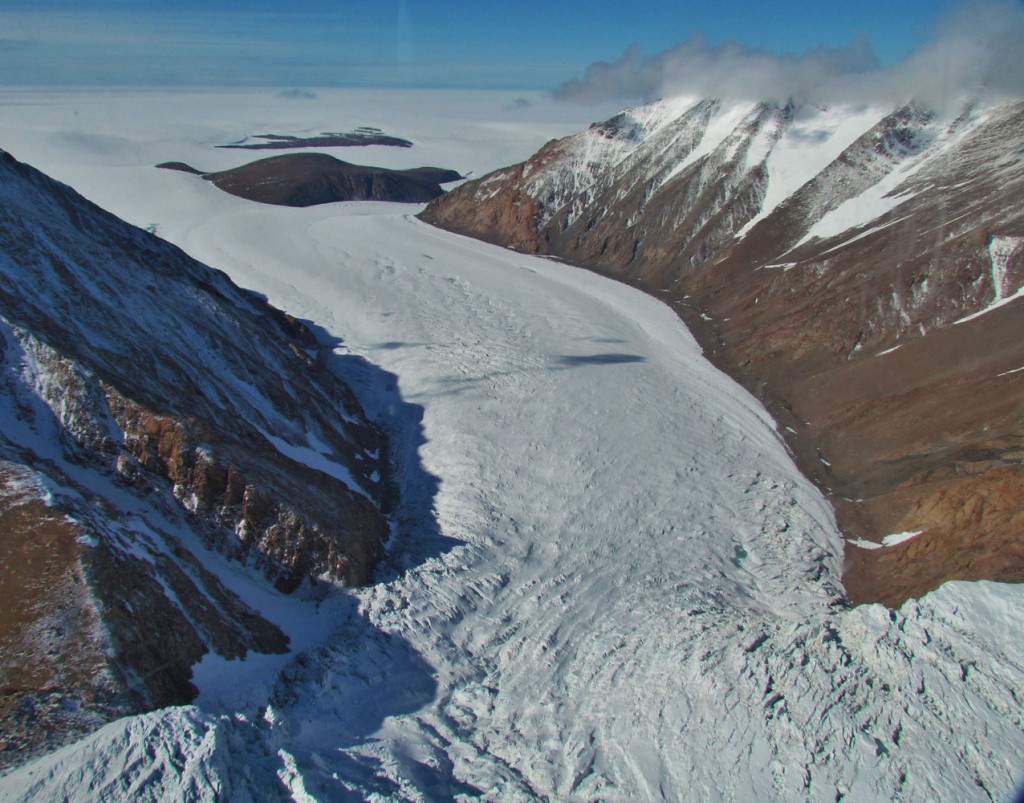 Benson glacier. Photo: Gemma Collins CC-BY.
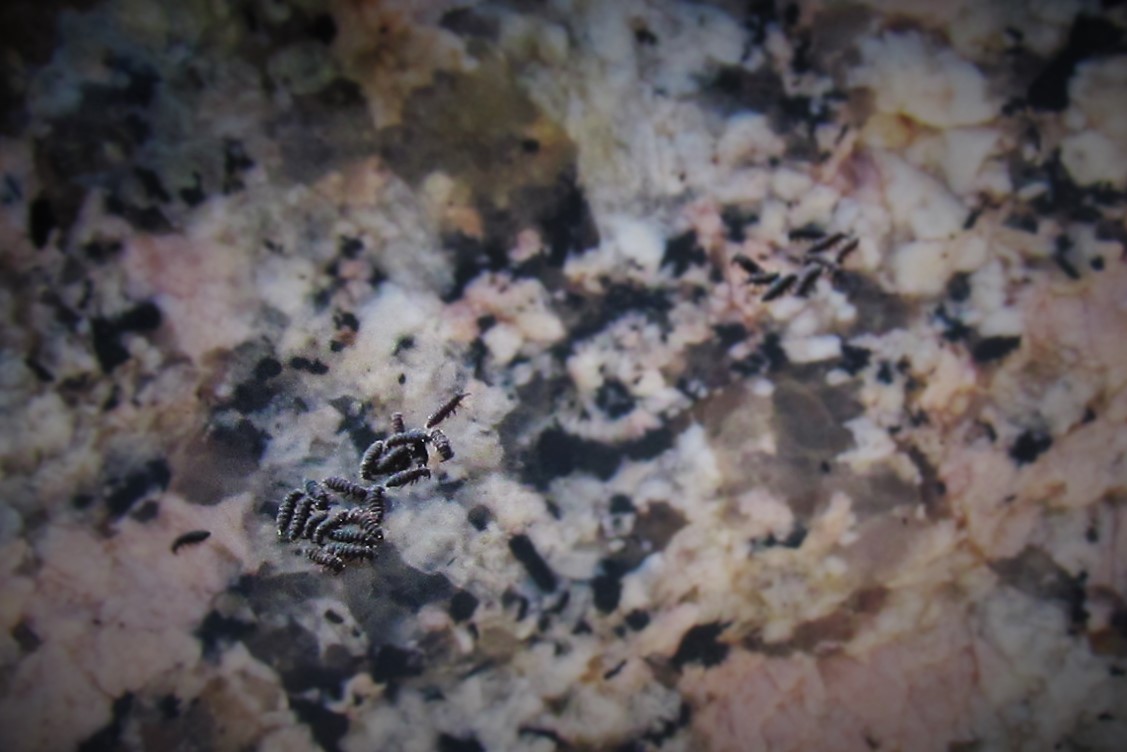
In an area of the Ross Sea region spanning more than six degrees of latitude there are only 10 species of springtail, separated into three distinct biogeographic zones each with three (and in one case four) unique species. Springtails are an important feature of terrestrial Antarctic systems as they are not only the largest year-round inhabitants at a mere1.5mm (with penguins and seals spending much of their time offshore), they are also highly sensitive to environmental disturbances, making them ideal bioindicators of climate change.
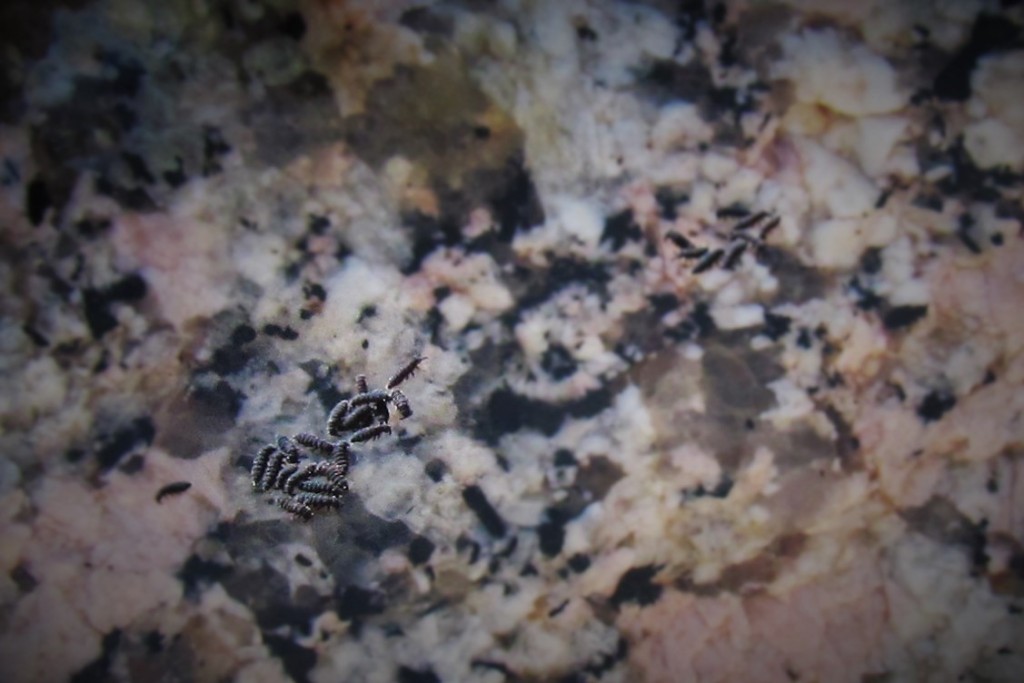 Floating springtails. Photo: Gemma Collins CC-BY.
Our most recent work this past season focussed on the “middle” biogeographic zone which revealed a total of six BINs from the original three species present. These three new BINs were between 5-12% divergent from their nearest neighbours. The discovery of these new BINs is a further example of the growing realisation that whilst comparatively depauperate in the global sense, Antarctica is much more diverse than it was once thought to be. This is particularly true in the case of genetic diversity, with the rise in molecular techniques revealing high levels of cryptic biodiversity within Antarctic arthropods. The application of molecular clock dating techniques further suggested that these BINs separated 3-5 million years ago. It was during this time that the Western Antarctic Ice Sheet (WAIS) was thought to have completely collapsed. This phenomenon would have resulted in sea levels rising and increased dispersal opportunities for Collembola via meltwater streams and open sea-ways before the WAIS eventually reformed. The various BINs appear to have remained in relative isolation ever since. The presence of these unique genetic differences means that any future changes in species’ distributions can be easily tracked through the DNA barcoding of individuals. From this, we can further enhance our capacity to detect subtle biological responses resulting from gradual climate changes.
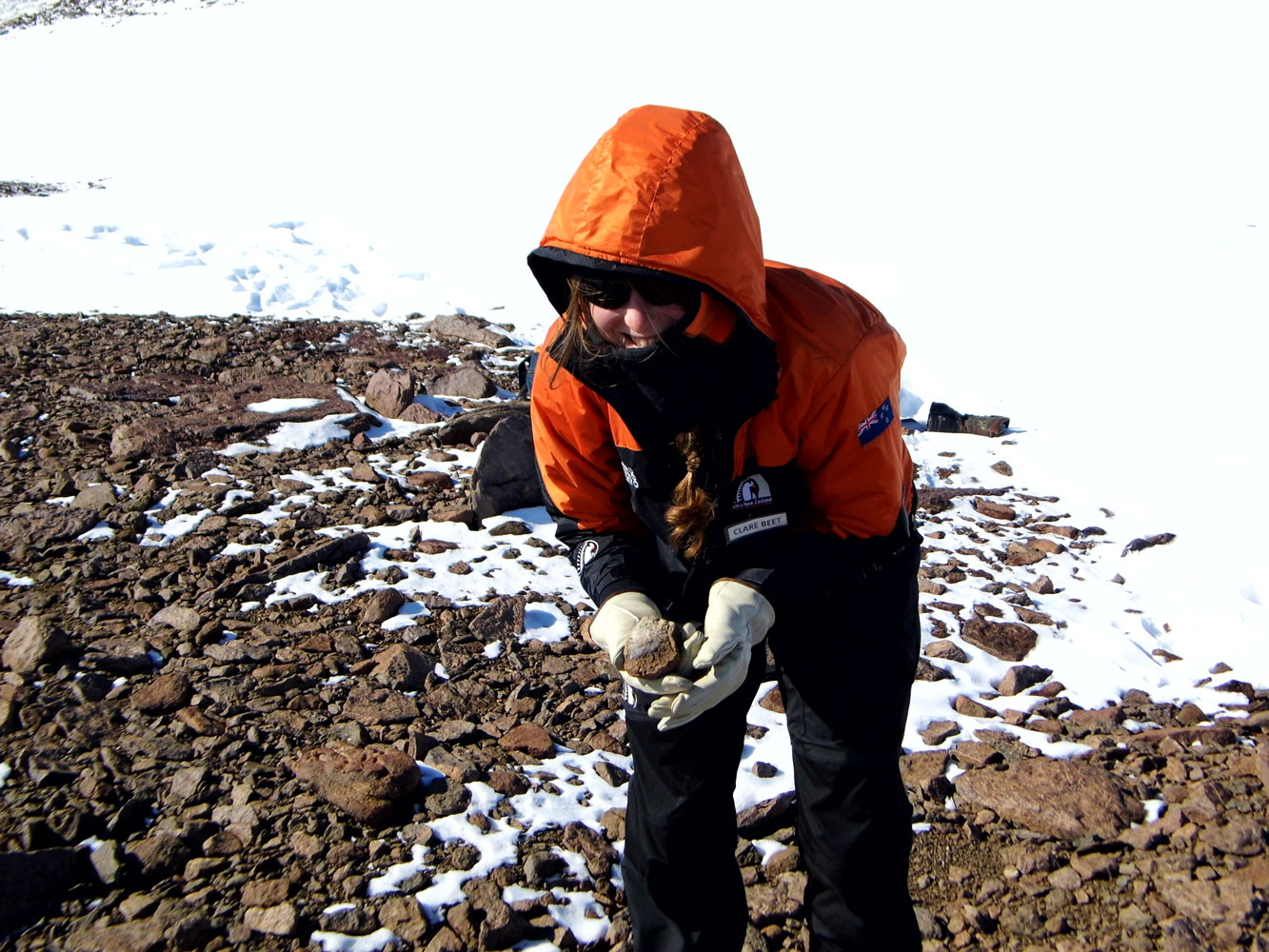
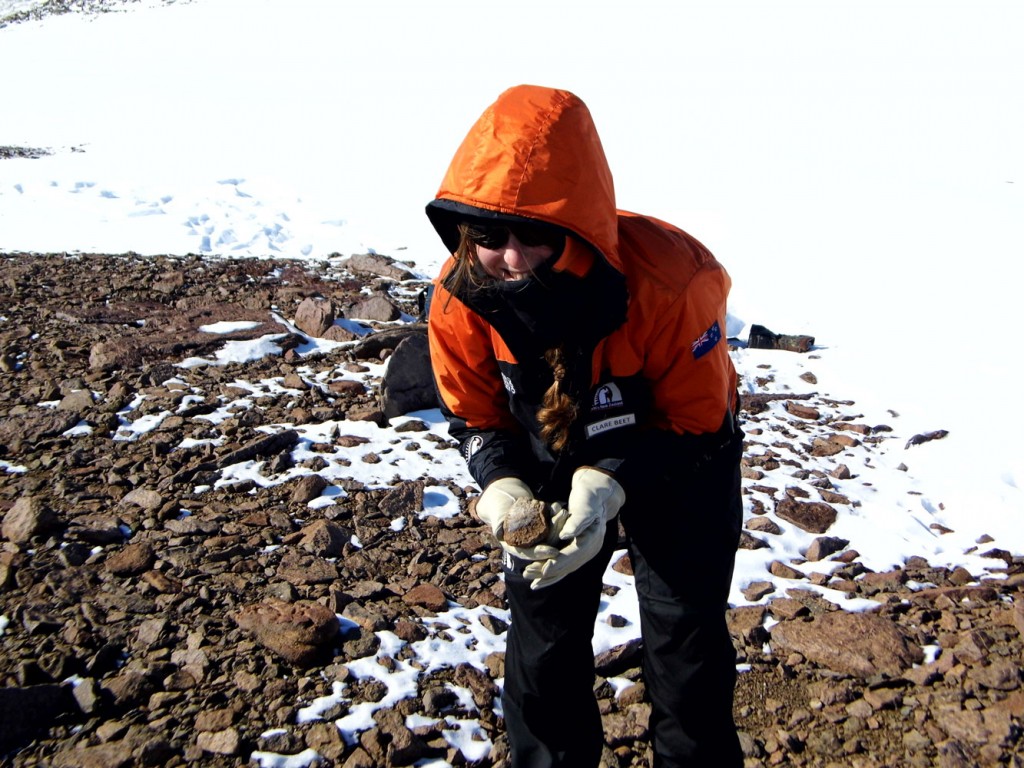 Clare Beet collecting springtails. Photo: Ian Hogg CC-BY.
In August, I gave a presentation at the 6th international Barcode of Life conference on my master’s thesis work assessing the distribution and genetic diversity of Antarctic springtails (Collembola). For this presentation I was generously awarded the NorBOL Prize for Excellence in Polar Research. I really enjoyed sharing my work with the wider barcoding community and look forward to hopefully getting involved in polar research in the future.
Clare Beet, University of Waikato
 English
  Norwegian Bokmål
 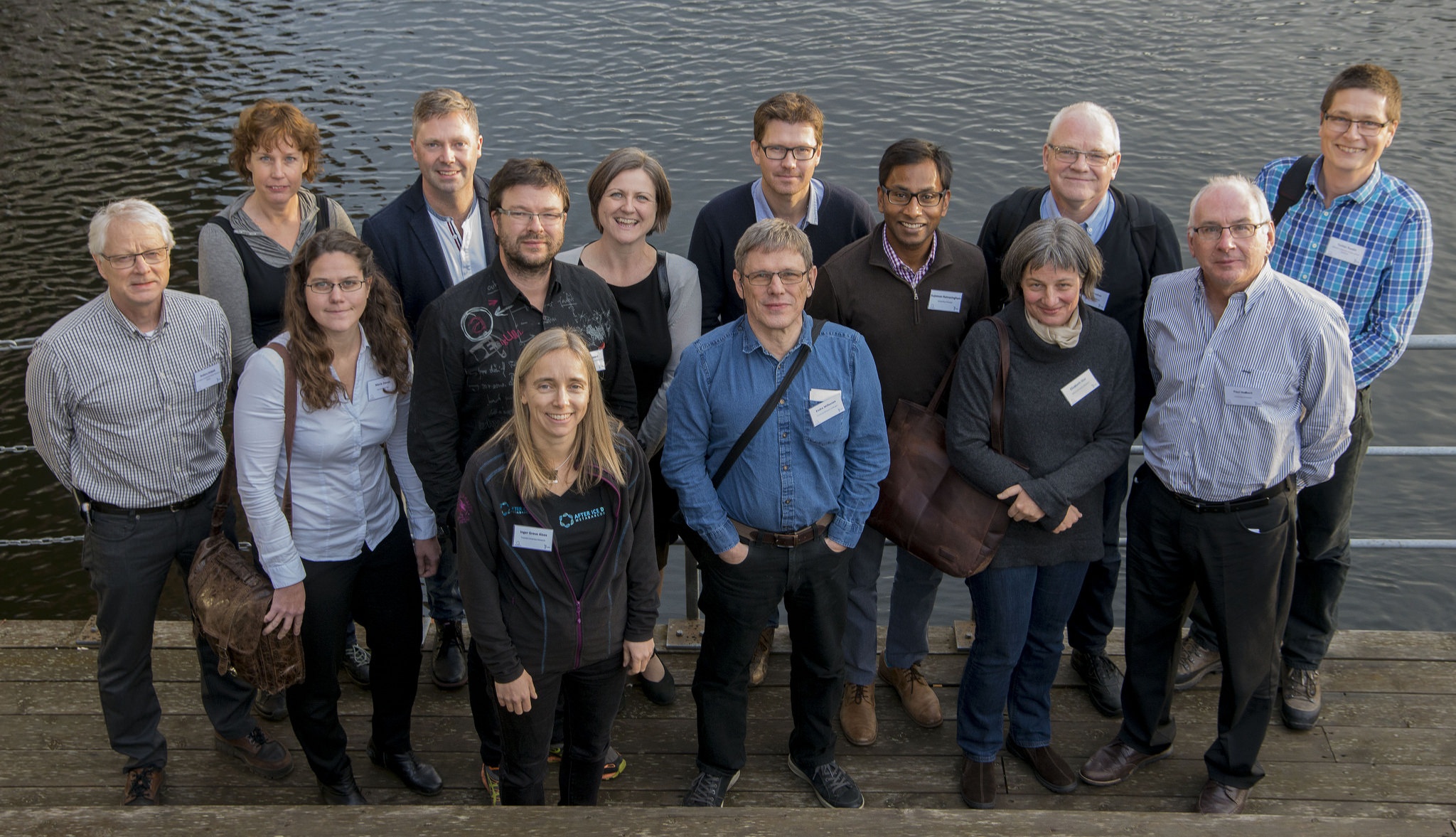 Speakers at the symposium. From left: Anders Hobæk, Christiane Todt, Marie Davey, Hans Tore Rapp, Frode Ødegaard, Inger Greve Alsos, Natasha de Vere, Endre Willassen, Kristian Hassel, Sujeevan Ratnasingham, Elisabeth Stur, Christer Erséus, Paul Hebert, Tomas Roslin. Tor Erik Brandrud and Gunn Paulsen were unavailable when the photo was taken. Photo Åge Hojem, NTNU University Museum, CC-BY.
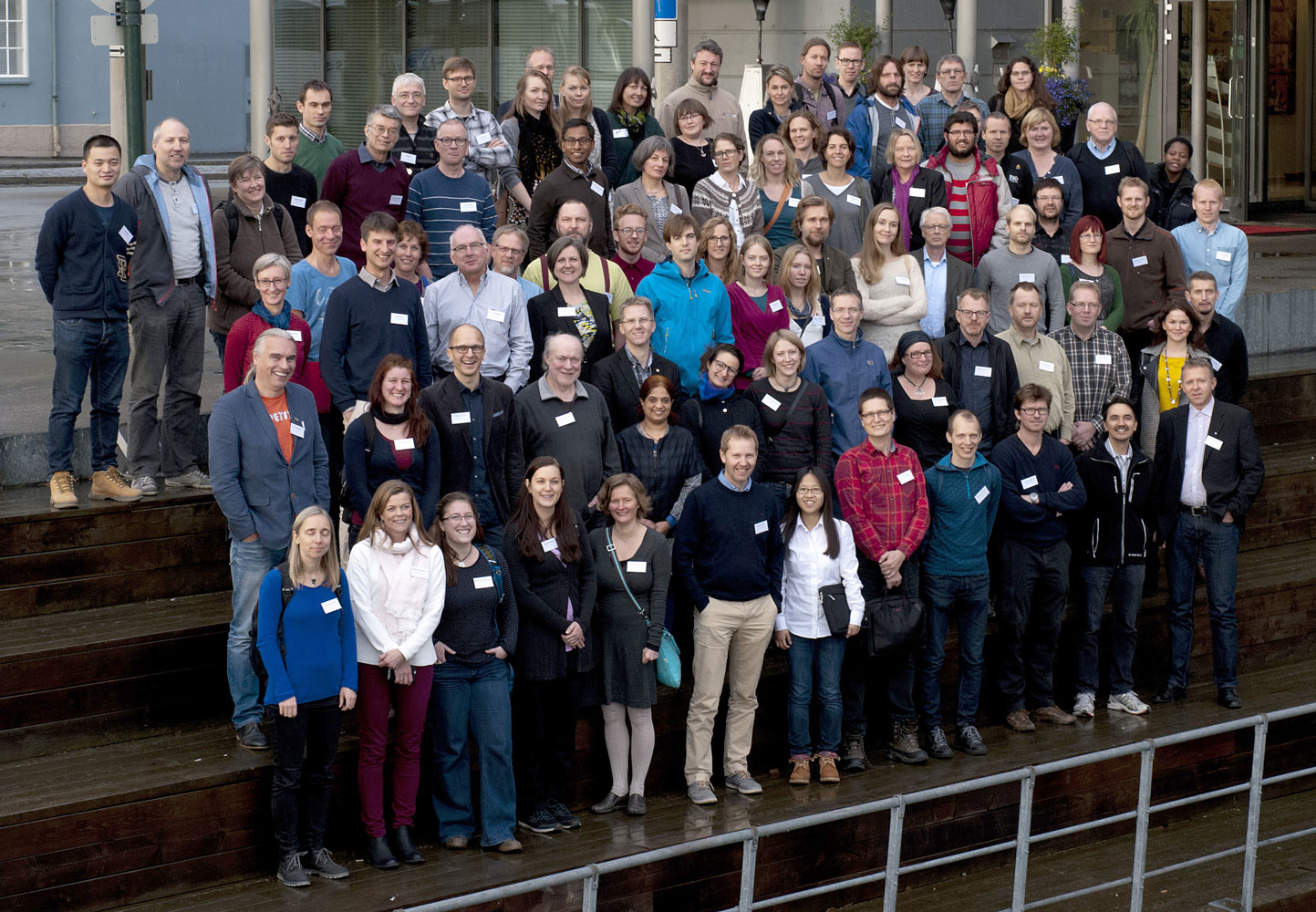 Participants at the symposium Biodiversity and DNA barcoding 2015. Photo Åge Hojem, NTNU Vitenskapsmuseet, CC-BY.