Category: Uncategorized

  • NorBOL at Researchers’ Night 2016

    On Friday September 23 time had come for Researchers’ Night in the NTNU Science Building. Like previous years, the interest for participation was great and more than 1100 high school students trawled the stands, attended lectures and visited labs at NTNU. NorBOL was present with a stand on DNA barcoding and LifeScanner.
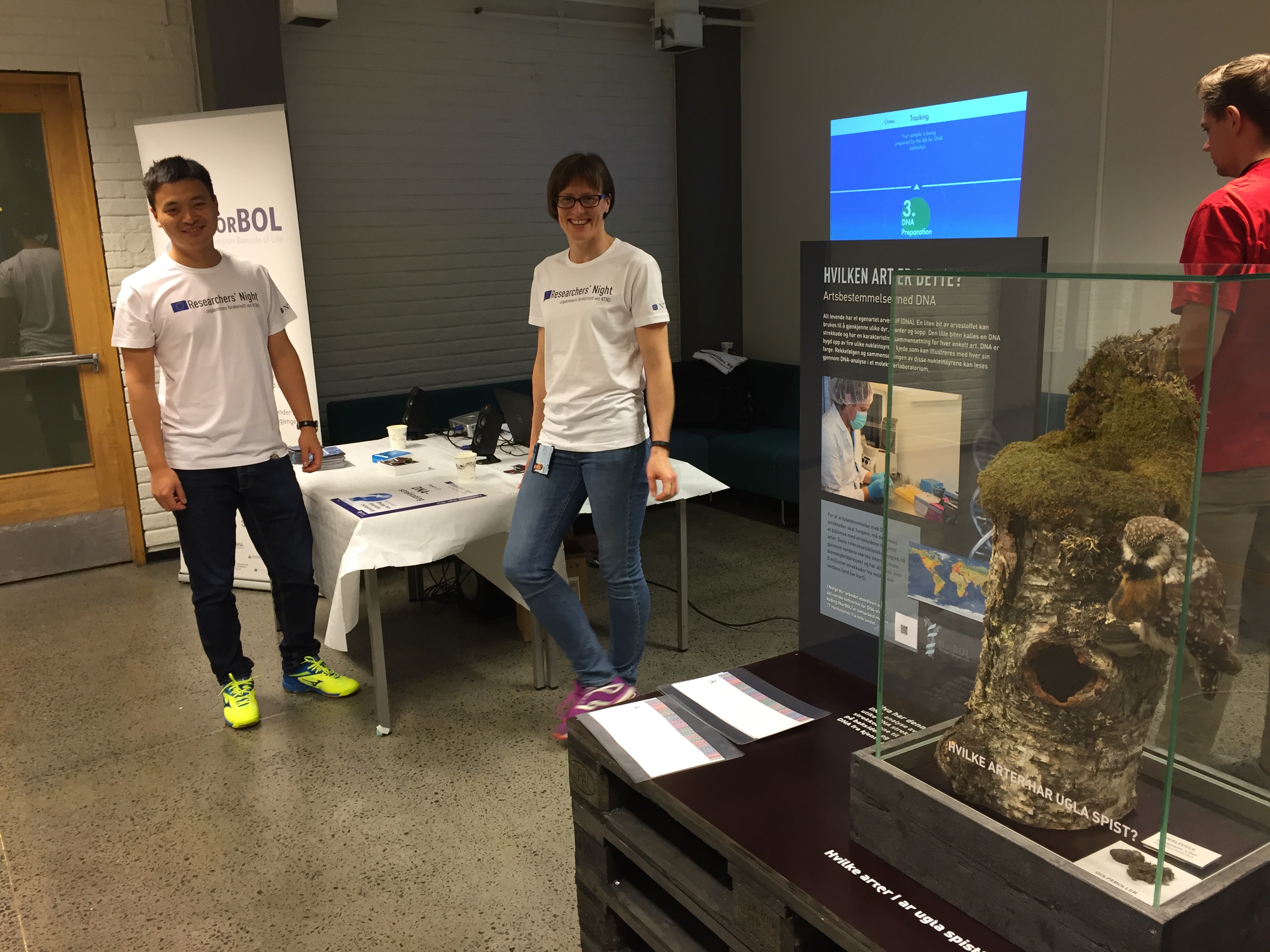
    NorBOL at RNXiaolong and Aina welcome visitiors to NorBOL’s stand at Researchers’ Night 2016. Photo Torbjørn Ekrem CC-BY.

    At our stand, students and teachers were challanged to do practical DNA barcoding: Three visualized DNA sequences from unknown prey had been retrieved from a boreal owl pellet and could be compared to known sequences in a reference library. The task was not necessarily simple and created good discussions among the participants. As prize and proof of particpation, the stydents received #mydnabarcode stickers.
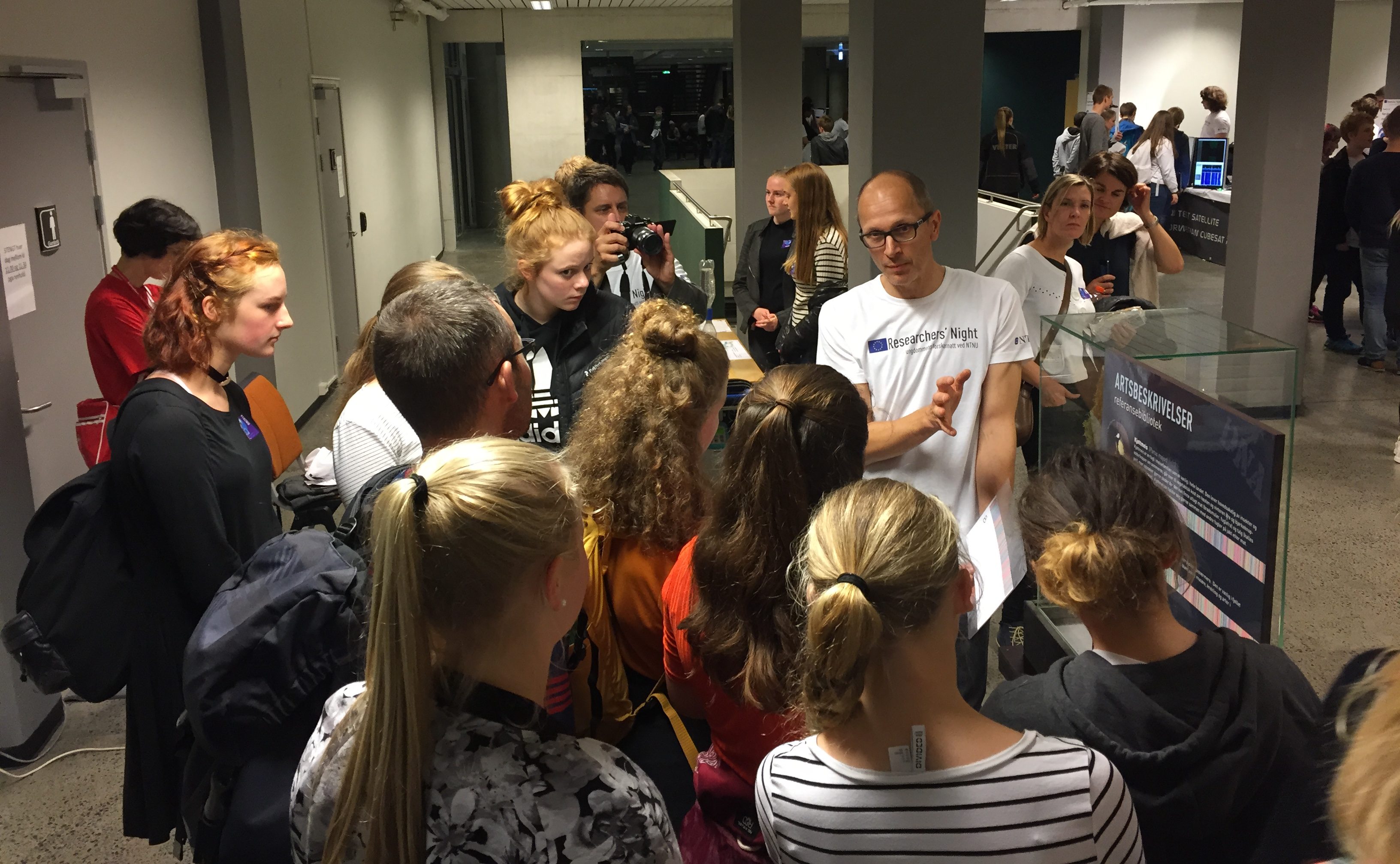
    Referansebibliotek RNTorbjørn explains how DNA barcoding works. Photo Xiaolong Lin CC-BY.

    Active visitors at the NorBOL stand. Video Torbjørn Ekrem CC-BY.

    Thanks to Aina, Erik and Xiaolong for excellent contributions to the NorBOL stand and Researcher’s Night!

    Torbjørn
  • Mushroom Day at Tromsø University Museum

    Every year in the mushroom-season, the Tromsø Mushroom Society arrange mushroom check-points at the Tromsø University Museum where the general public can have their collected mushrooms identified. They also invite to guided tours and celebrate “Mushroom Day”. NorBOL attended all check-points so far this year and has received plenty of species for DNA barcoding.

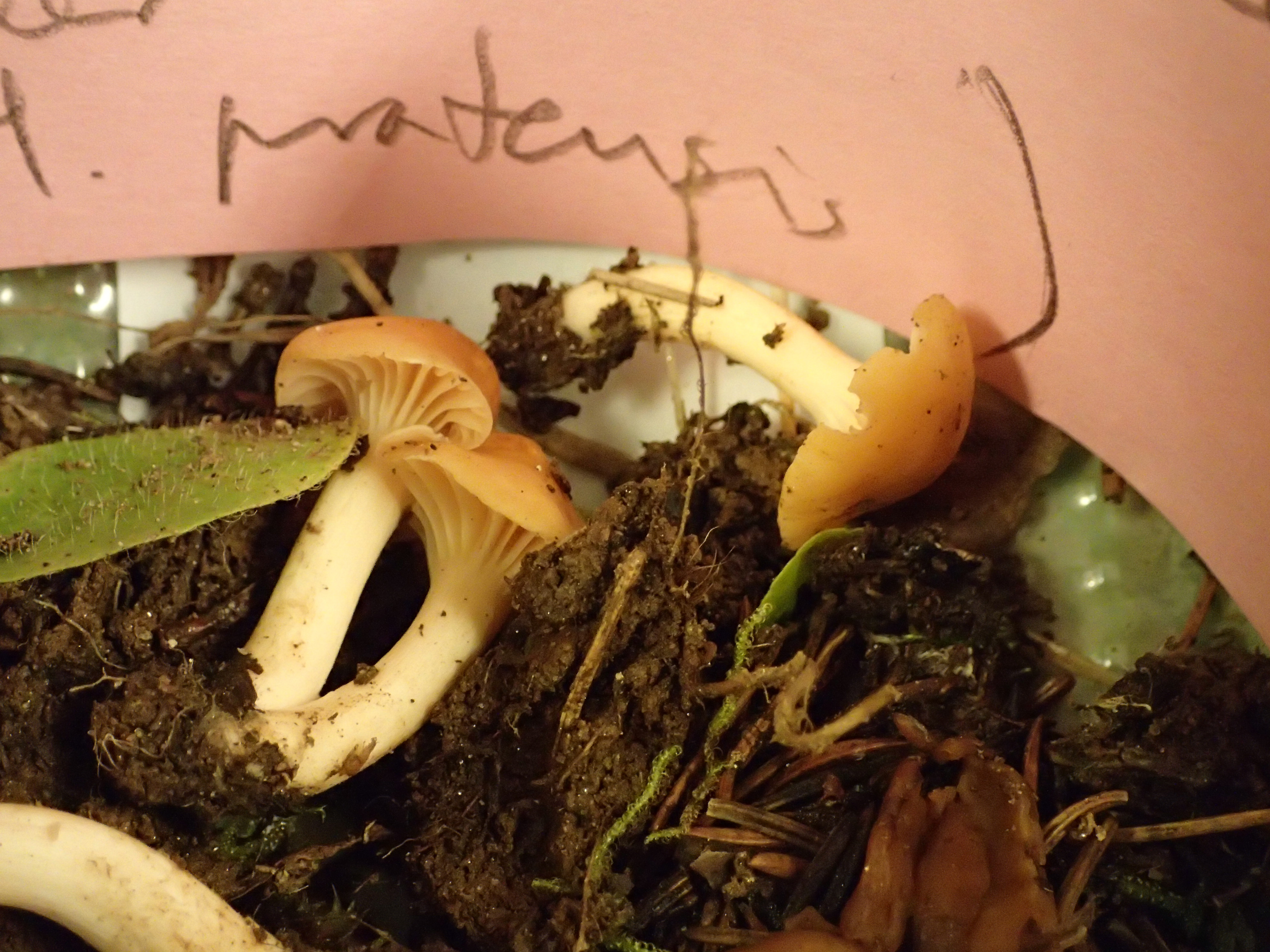
    Sopp fra soppens dagOne of the sampled mushrooms: Hygrocybe cf. pratensis. Photo Marie K. Føreid Merkel CC-BY.

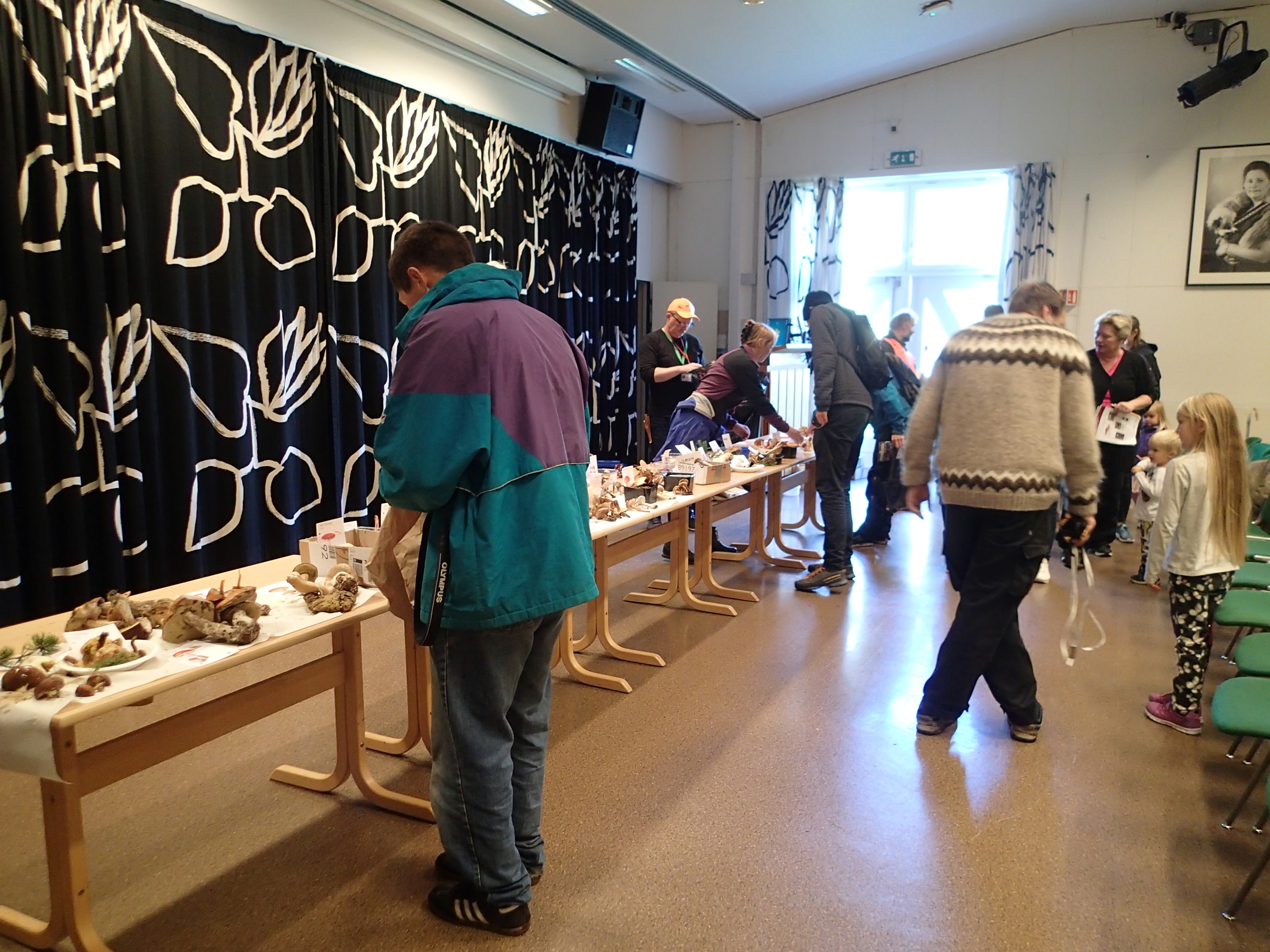
    “Mushroom Day” was held at Tromsø University Museum on September 4th and included an exhibition of freshly picked specimens as well as the regular check-point and a local guided tour. NorBOL attended the event and received about 20 new species for barcoding. Most of these came from the exhibition made by the Mushroom Society, but some were also donated by the visitors.Sopputstilling på soppens dagMushroom exhibition on Mushroom Day. Photo Marie K. Føreid Merkel CC-BY.

    During collection of specimens for the exhibition, one new species to North Norway was found. This specimen will be barcoded. NorBOL staff used the opportunity to talk to visitors about DNA barcoding, the work that they do and how mushrooms are preserved and stored in the scientific collections at the museum. So far, NorBOL har received more than 120 species from the area of Tromsø, with great help from the Mushroom Society.

    We hope that the last to check-point dates (11 and 18 September) will bring in even more specimens, and that we can continue our outreach on DNA-barcoding to the general public. Thanks to the Tromsø Mushroom Society for excellent collaboration!

    Marie K. Føreid Merkel

  • Barcode of Life conference heading for Kruger National Park

    Imagine this: You wake up before the sun rises, find your guide and get set for today’s “morning drive” to watch elephants, lions and rhinoceros as the first rays of sun hit the bushland. You return to the camp and enjoy an excellent breakfast before the first plenary of the day on environmental barcoding of North American wetlands. This dream can come true before you realize: The seventh Barcode of Life conference will be held in Kruger National Park, South Africa, 20-24 November 2017.

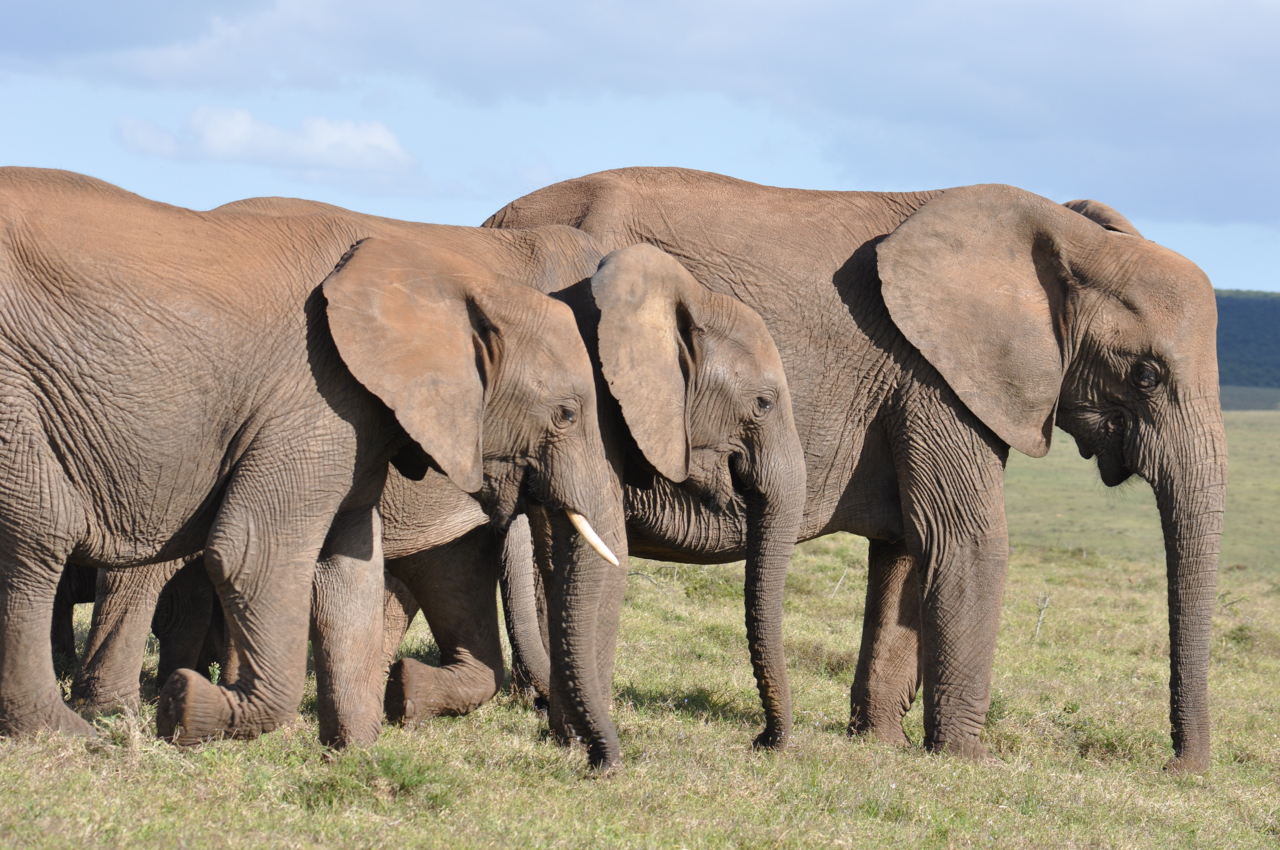
    Photo: T. Ekrem CC-BYElephants in South Africa. Photo Torbjørn Ekrem CC-NC-SA.

    The international conferences on DNA barcoding have been held every second year since 2005 (in London) and have continuously increased in size and content. The participants come from all over the world and present their research, educational programs and public outreach initiatives. All aspects of DNA barcoding and metabarcoding are covered and the presentations can include anything from development of methods and taxonomy to citizen science, applied ecology and nature management. The last meeting in Guelph (2015) had 600 participants from 60 countries. Time will tell if the upcoming meeting can beat those numbers…

    The scientific program for the meeting is under development, but several invited speakers have already accepted. The theme of the conference will be “Exploring mega-diverse biotas with DNA barcodes”. Registration will open December 1, 2016 and end November 1, 2017. The main lecture hall has room for 700 guests, so the meeting probably will not be fully booked the first week. Nevertheless, it might be a good idea to sign up early!

    See you in Kruger!

  • Winner of NorBOL’s photo challenge

    We congratulate Prof. Henrik Glenner at the Department of Biology, University of Bergen as the winner of NorBOL’s photo challenge! His photo will illustrate the front page of norbol.org.

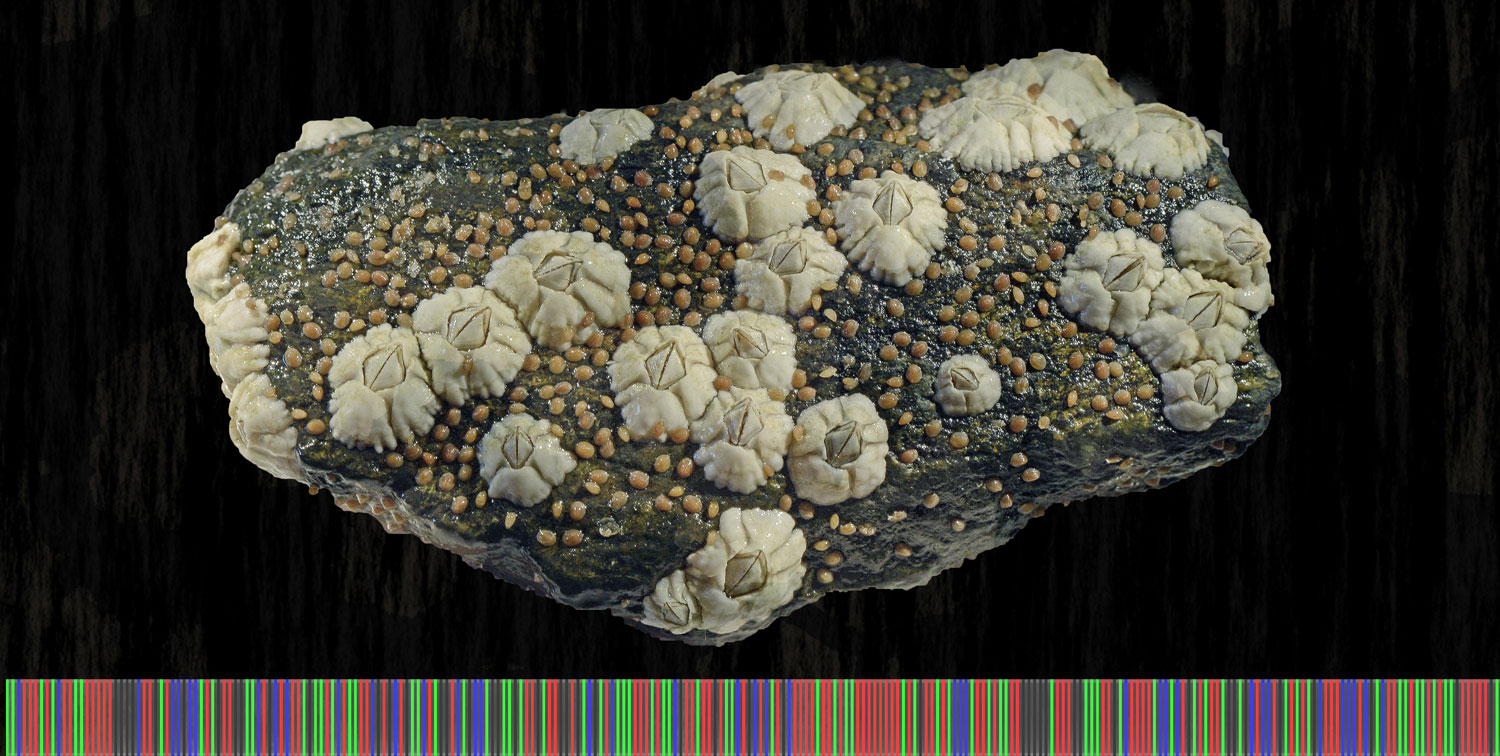
    Semibalanus_settlement_barcode-webColony of Semibalanus balanoides with recently settled larvae and associated DNA barcode. Photo: Henrik Glenner CC-BY.

  • Halfway there

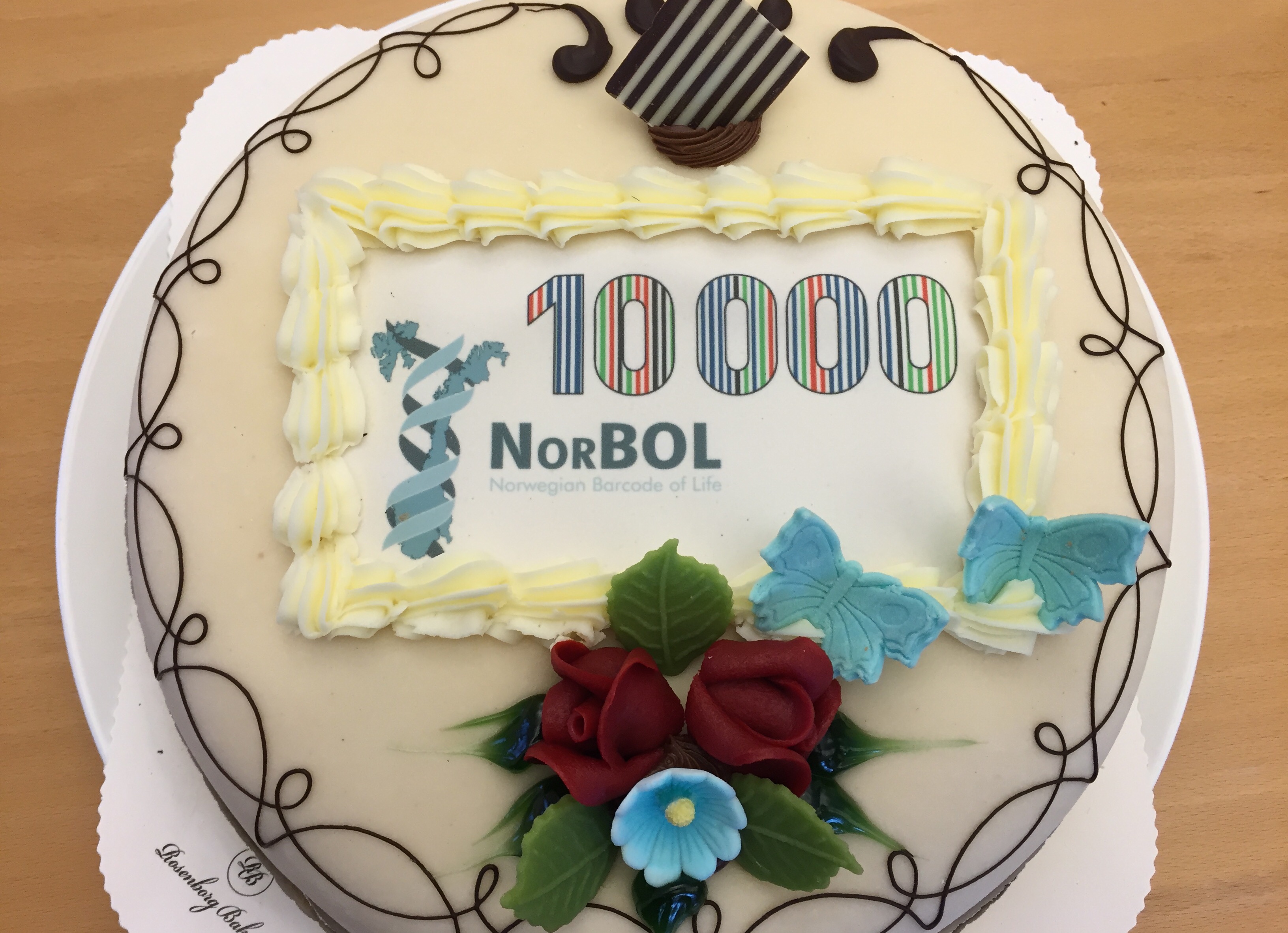
    Congratulations to NorBOL for reaching 10 000 barcoded species! We are now halfway to our target of DNA barcoding 20 000 species from Norway. The benchmark was celebrated at the NorBOL steering group meeting in March and covered by the journal Gemini and forskning.no. Congratulations to everyone involved!

    NorBOL-cakePhoto: Torbjørn Ekrem, graphics: Elin Sandbakk, NTNU Vitenskapsmuseet. CC-BY.

  • Students map insect diversity in the Botanical Garden in Oslo

    NorBOL and the Natural History Museum in Oslo have this winter worked together with a biology-class at Hersleb upper secondary school in doing an invetory of the insect diversity in the Botanical Garden.

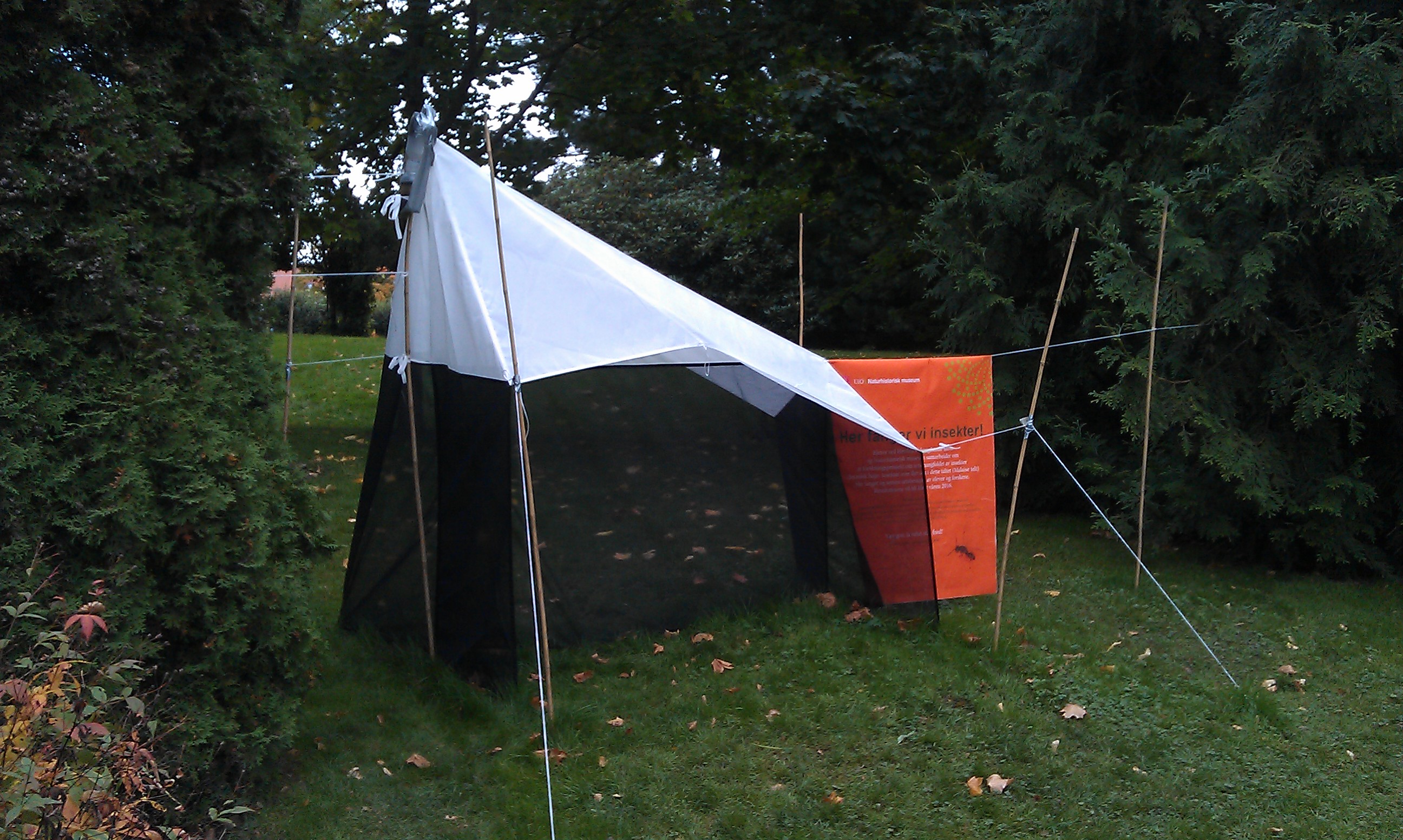
    Malaisefelle bot hageThe Malaise trap in the Botanical Garden in Oslo. Photo Gunnhild Marthinsen (CC-BY).

    Last August, the students deployed a Malaise-trap in the garden and helped collecting the samples. They then sorted the insects to what they thought were different species based on appearance. One hundred and fifty animals were sampled and sent to the Centre for Biodiversity Genomics in Guelph for sequencing.

    The students will now compare the sequencing results with their own identifications.

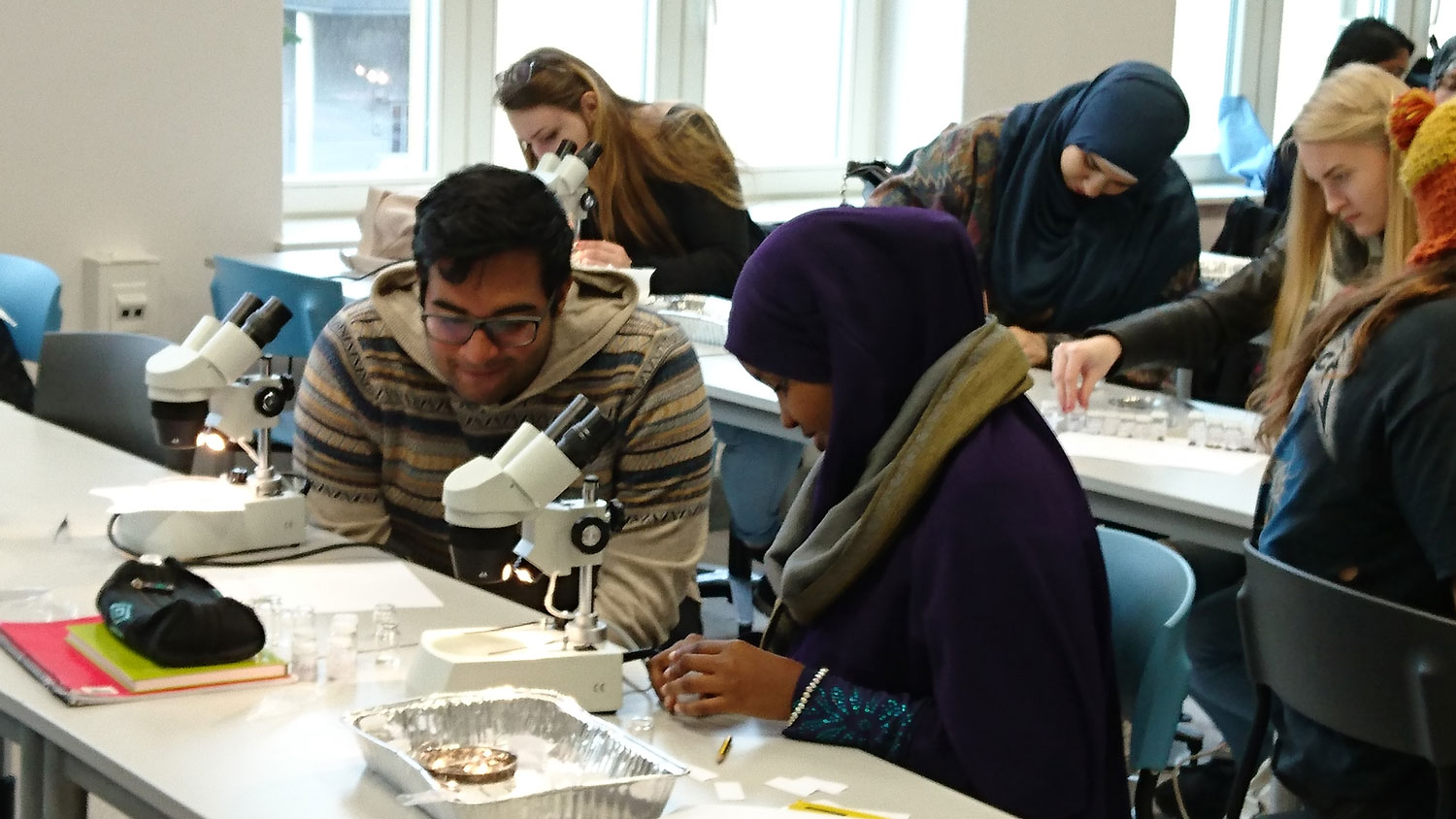
    sortering-labEager students sort the Malaise Trap samples. Photo Gunnhild Marthinsen (c).

    Through this project the students learn about species diversity and DNA analyses. They experience how difficult it is to determine species based on appearance, especially when not being an expert, and that DNA barcoding works well both for identification of species and for getting an overview of the species diversity.

    The project revealed a high diversity of Diptera and Hymenoptera in the Botanical Garden; ca 80 species were found among the 150 that were submitted for analyses. Among the collected species were also a few rarities that are only known from a few localities in Norway; one of the species can even turn out to be new to Norway.

    Gunnhild Marthinsen, Natural History Museum, Oslo

  • Ancient origin of blue cuckoo eggs

    How is egg color inherited in brood-parasitic common cuckoos (Cuculus canorus)? A study recently published in Nature Communications give answers, and has an interesting relationship to DNA barcodes.

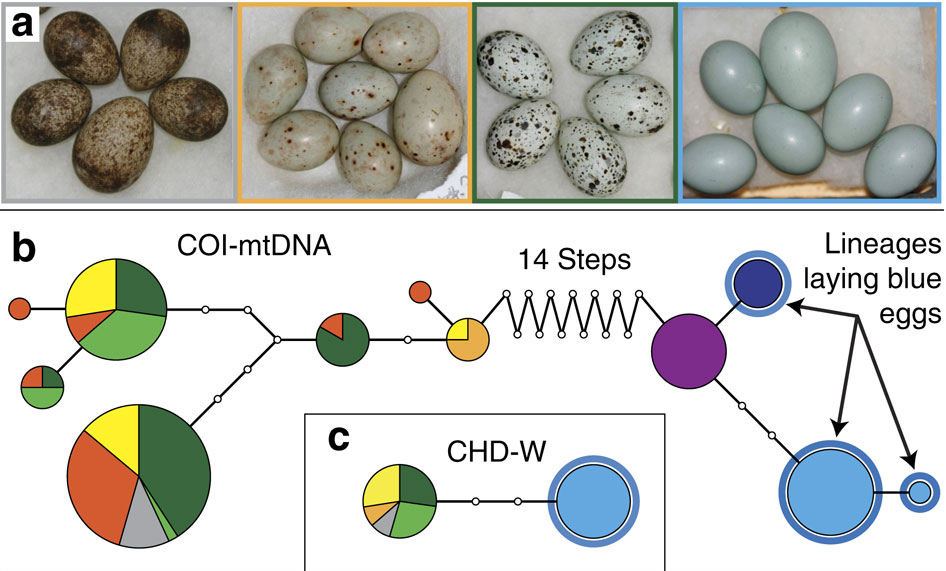
    The authors, fronted by Frode Fossøy at the NTNU Department of Biology, analyzed both mitochondrial and nuclear markers in a wide geographical range of cuckoo populations including several closely related species. They found unambiguous evidence for maternal inheritance of egg coloration in the brood-parasitic Cuculus canorus. Moreover, they showed that the blue egg color of C. canorus parasites on redstarts (Phoenicurus phoenicurus) originated around 2.6 MYA, in an ancestral mitochondrial lineage shared between the subspecies C. c. canorus and C. c. bakeri. This lineage is genetically divergent from and even paraphyletic compared other C. canorus populations and related Cuculus species.

    Fig2Partial figure from Fossøy et al. (2016) showing haplotype relationship between C. canorus populations laying differently colored eggs. DNA barcodes (b) and part of female specific w-chromosome (c).

    So what is the relationship with DNA barcodes? Well, the deep genetic divergence between populations of C. c. canorus was initially detected through a decent library of partial COI-sequences (barcode region) and triggered further analysis of other markers to determine the evolutionary history of this phenomenon. This time, divergent DNA barcodes did not indicate cryptic species, but helped placing a most interesting piece in cuckoo evolution puzzle.

    Fossøy, F. et al. 2016. Ancient origin and maternal inheritance of blue cuckoo eggs. Nature Communications 6:10272 doi: 10.1038/ncomms10272.


  • DNA Barcode photo challenge!

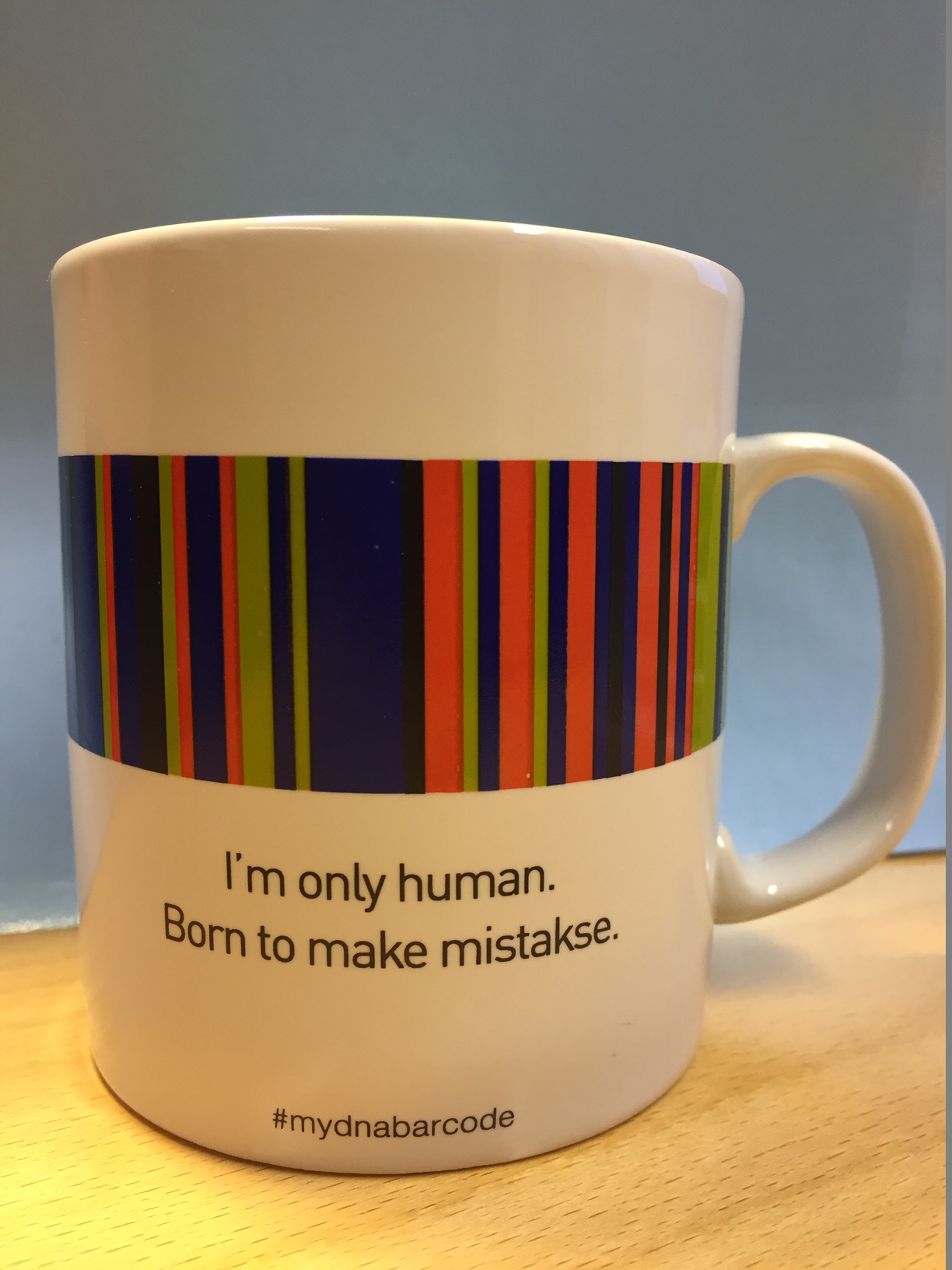
    Would you like to see your favorite DNA barcode photo on norbol.org? A beautiful (some think scary) photo has dominated our front page for a while, and it is time for a change. NorBOL is therefore inviting you to a photo/illustration challenge where the winner will have her/his contribution on the front page of norbol.org and receive a #mydnabarcode buff and a #mydnabarcode mug. Send your best photos or illustrations to Torbjørn by the 15th of February to participate. The image must be in landscape format and the winner will be chosen at the NorBOL steering group meeting on March 2. Good luck!

    IMG_0521

  • Report from the Symposium on Biodiversity and DNA Barcoding

    The symposium Biodiversity and DNA Barcoding was held at the Scandic Nidelven hotel 11-12 November 2015. Nearly 100 participants from Norway, Sweden, Canada, Finland, Germany, Czech Republic and UK had found their way to Trondheim, making this meeting larger than originally expected. The conference turned out to be a good meeting place for nature managers, barcoders, participants in the Norwegian Taxonomy Initiative and others interested in biodiversity and DNA barcoding.

    As the program can confirm, there was a great diversity in the talks, both on topics and organism groups. We were guided through taxonomic challenges in fungi, marine invertebrates and insects, many of which has been detected with the aid of DNA barcodes. We were invited on journeys into the deep oceans and into the “moss forest”, and introduced to the opportunities molecular methods give when studying food webs, pollination and microscopic organisms.  We also learned about the The Planetary Biodiversity Mission, news from BOLD4 and about LifeScanner, a citizen-science initiative where identification of species through DNA barcoding is made available to everyone.

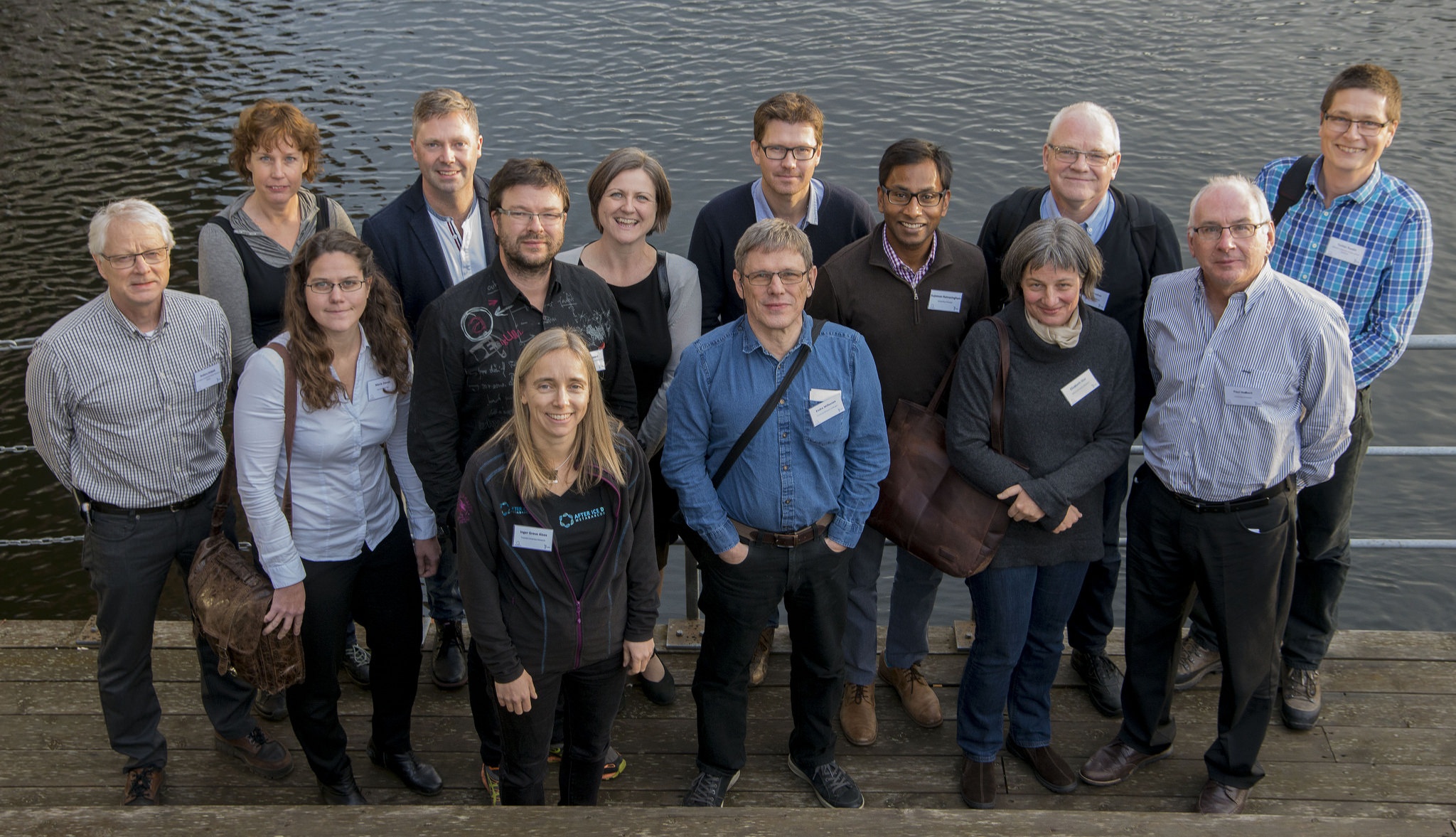
    speakers symposiumSpeakers at the symposium. From left: Anders Hobæk, Christiane Todt, Marie Davey, Hans Tore Rapp, Frode Ødegaard, Inger Greve Alsos, Natasha de Vere, Endre Willassen, Kristian Hassel, Sujeevan Ratnasingham, Elisabeth Stur, Christer Erséus, Paul Hebert, Tomas Roslin. Tor Erik Brandrud and Gunn Paulsen were unavailable when the photo was taken. Photo Åge Hojem, NTNU University Museum, CC-BY.

    Both organizers and participants seemed very pleased with the conference. Most things went as planned, the food was good, and even if we had music from the neighbouring room accompanying the last presentations on day two, the participants seemed pleased when leaving the venue. Thank you all for coming! More photos are available on Flickr.

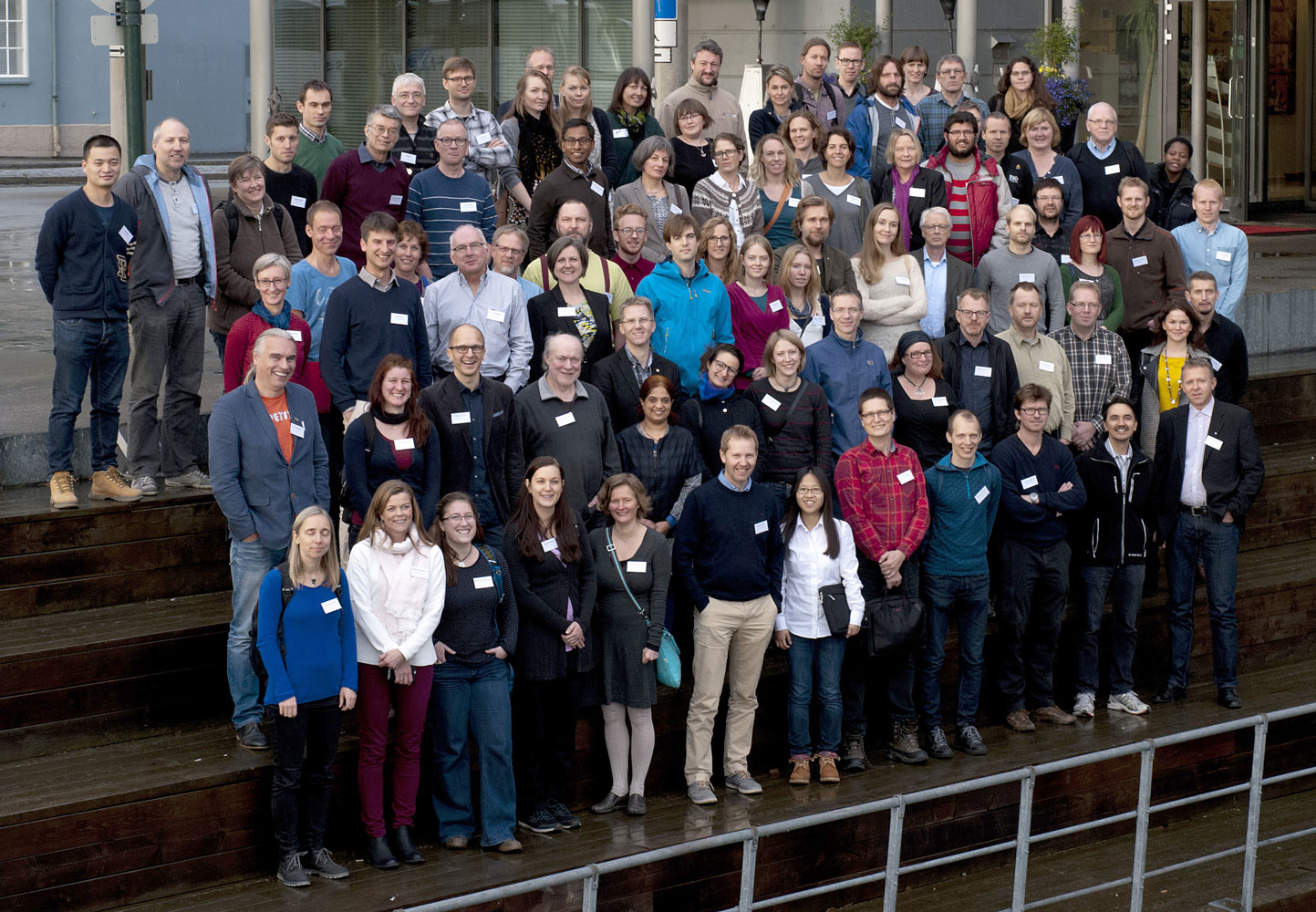
    participants-biodiv&DNAbarcoding-foto-hojemParticipants at the symposium Biodiversity and DNA barcoding 2015. Photo Åge Hojem, NTNU Vitenskapsmuseet, CC-BY.

    Torbjørn Ekrem, NTNU University Museum

  • Uncovering the hidden diversity of Antarctic springtails

    Antarctica is a land of superlatives with biota exposed to the steepest chemical gradients, driest soils, and extreme temperature fluctuations. These conditions, coupled with a history of 80 million years’ worth of glacial cycles have shaped an ecosystem characterised by low biodiversity. Robert F. Scott may be forgiven for stating “we have seen no living thing, not even a moss or a lichen” whilst in the Dry Valleys during 1903.

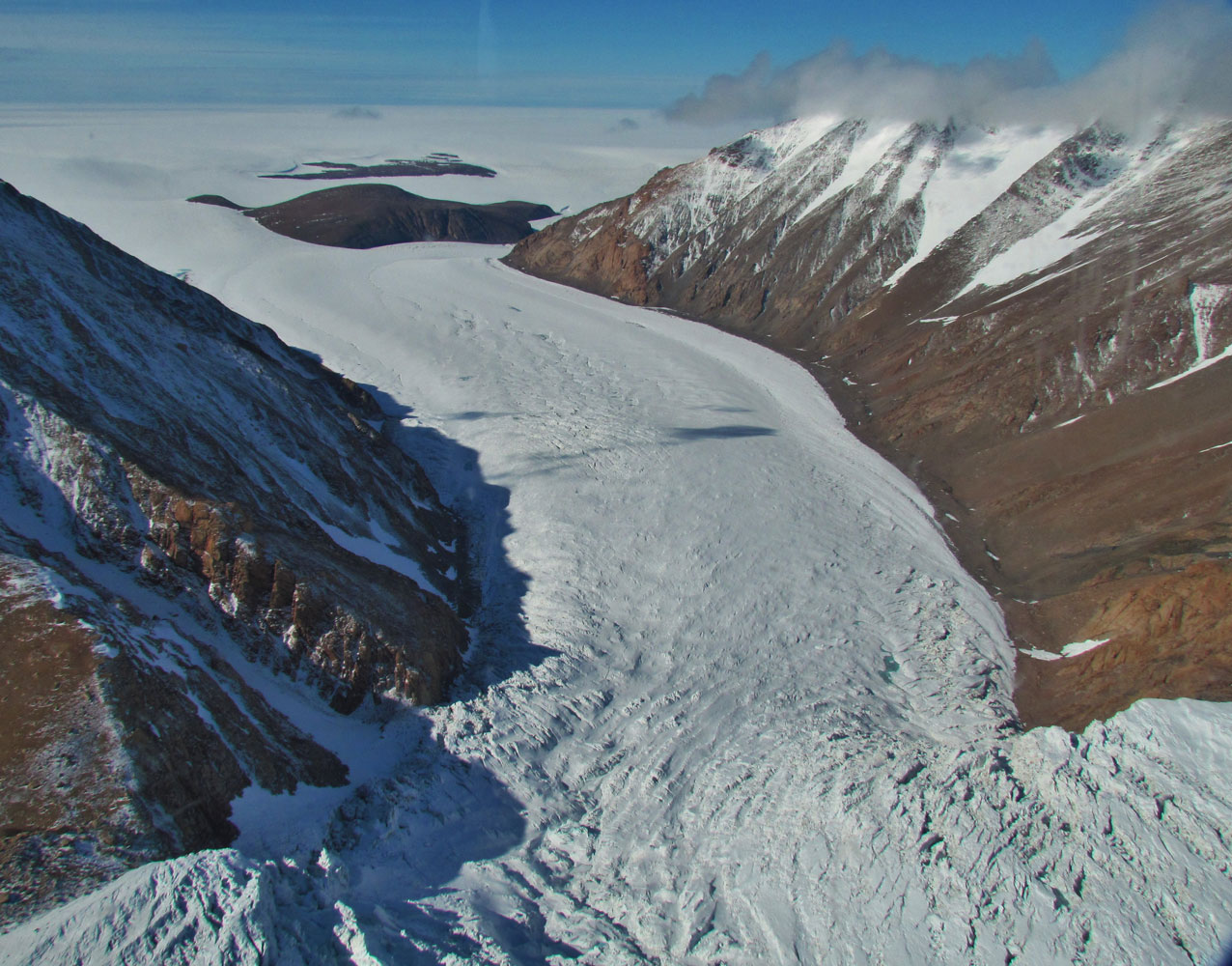
    Benson-glacier-photoBenson glacier. Photo: Gemma Collins CC-BY.

    In an area of the Ross Sea region spanning more than six degrees of latitude there are only 10 species of springtail, separated into three distinct biogeographic zones each with three (and in one case four) unique species. Springtails are an important feature of terrestrial Antarctic systems as they are not only the largest year-round inhabitants at a mere1.5mm (with penguins and seals spending much of their time offshore), they are also highly sensitive to environmental disturbances, making them ideal bioindicators of climate change.

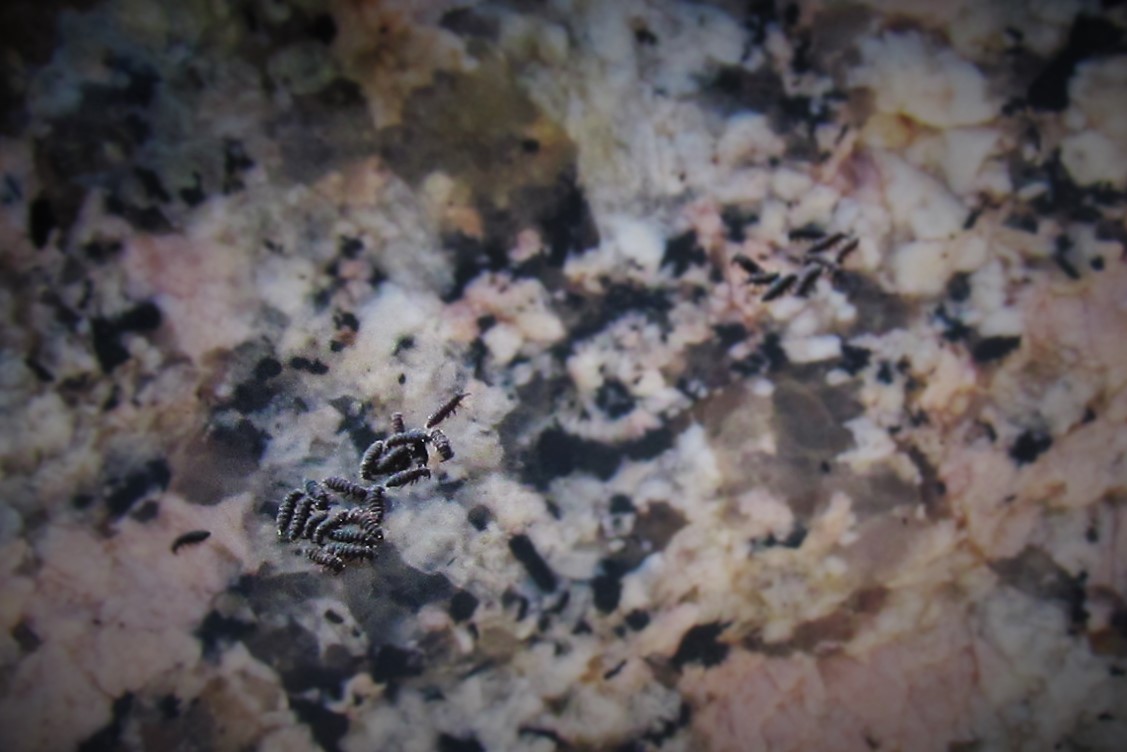
    Rafting springtailsFloating springtails. Photo: Gemma Collins CC-BY.

    Our most recent work this past season focussed on the “middle” biogeographic zone which revealed a total of six BINs from the original three species present. These three new BINs were between 5-12% divergent from their nearest neighbours. The discovery of these new BINs is a further example of the growing realisation that whilst comparatively depauperate in the global sense, Antarctica is much more diverse than it was once thought to be. This is particularly true in the case of genetic diversity, with the rise in molecular techniques revealing high levels of cryptic biodiversity within Antarctic arthropods. The application of molecular clock dating techniques further suggested that these BINs separated 3-5 million years ago. It was during this time that the Western Antarctic Ice Sheet (WAIS) was thought to have completely collapsed. This phenomenon would have resulted in sea levels rising and increased dispersal opportunities for Collembola via meltwater streams and open sea-ways before the WAIS eventually reformed. The various BINs appear to have remained in relative isolation ever since. The presence of these unique genetic differences means that any future changes in species’ distributions can be easily tracked through the DNA barcoding of individuals. From this, we can further enhance our capacity to detect subtle biological responses resulting from gradual climate changes.

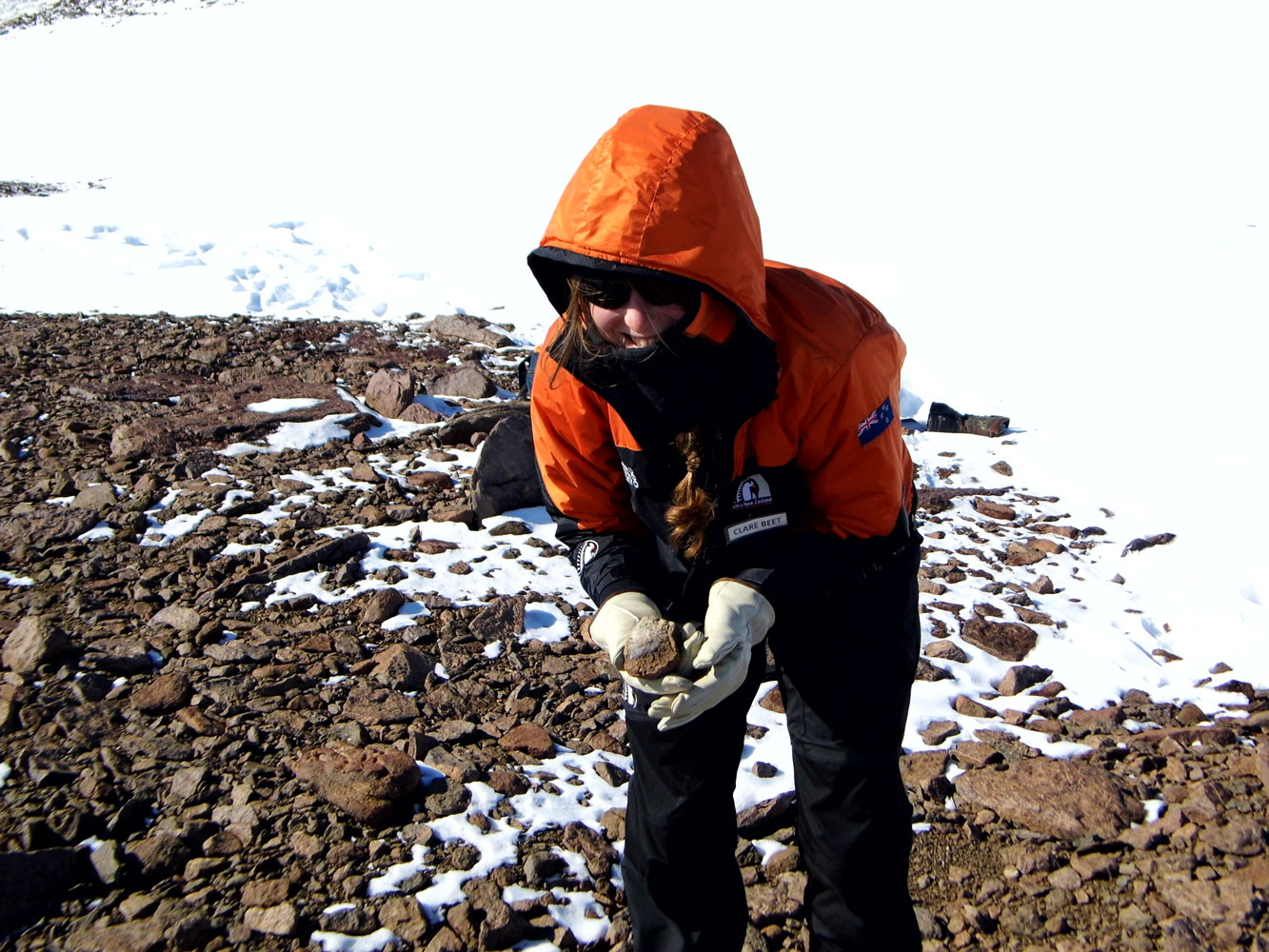
    clare-beet-collecting-sprinClare Beet collecting springtails. Photo: Ian Hogg CC-BY.

    In August, I gave a presentation at the 6th international Barcode of Life conference on my master’s thesis work assessing the distribution and genetic diversity of Antarctic springtails (Collembola). For this presentation I was generously awarded the NorBOL Prize for Excellence in Polar Research. I really enjoyed sharing my work with the wider barcoding community and look forward to hopefully getting involved in polar research in the future.

    Clare Beet, University of Waikato

Translate »